
Material Innovation
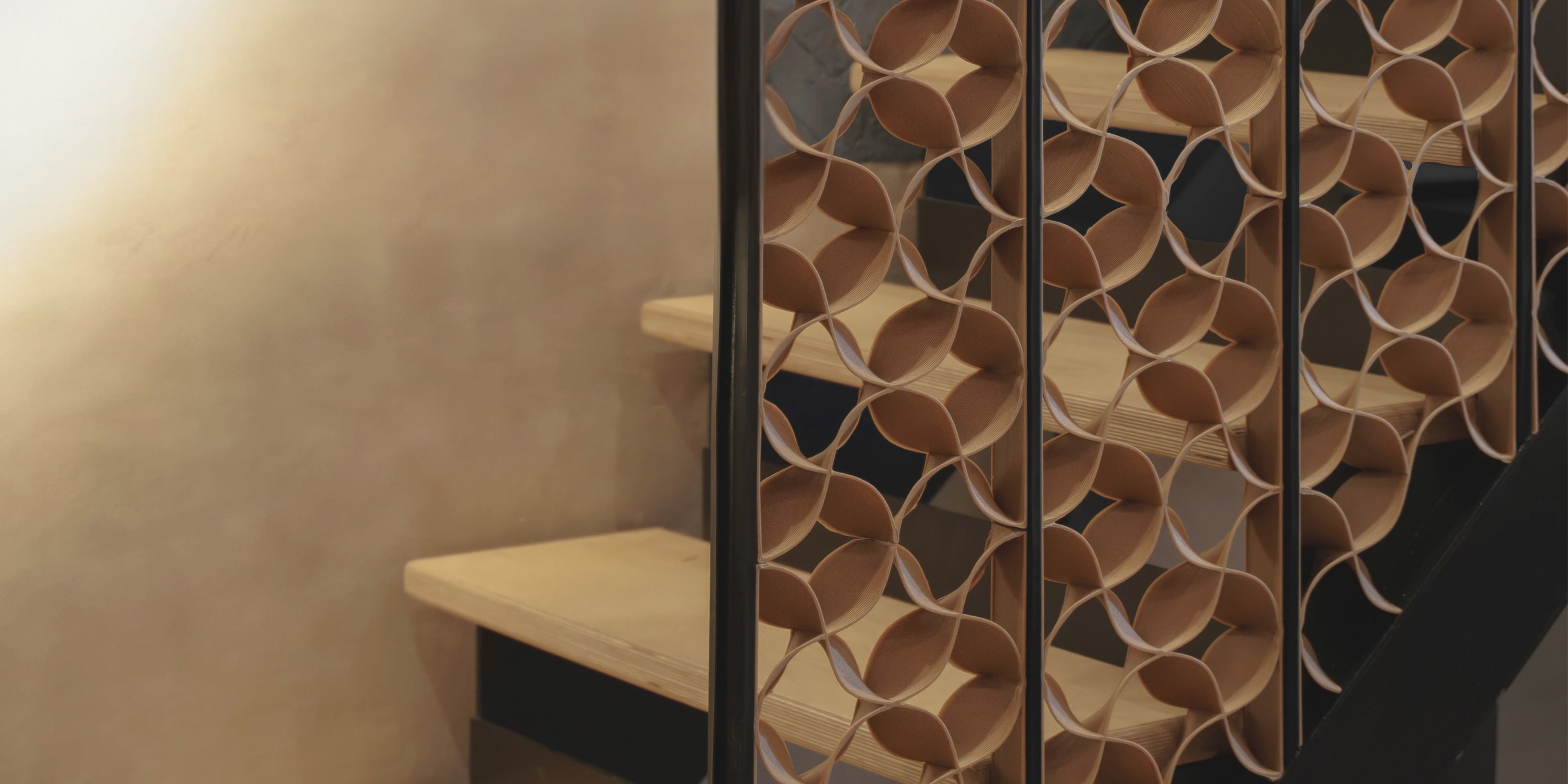
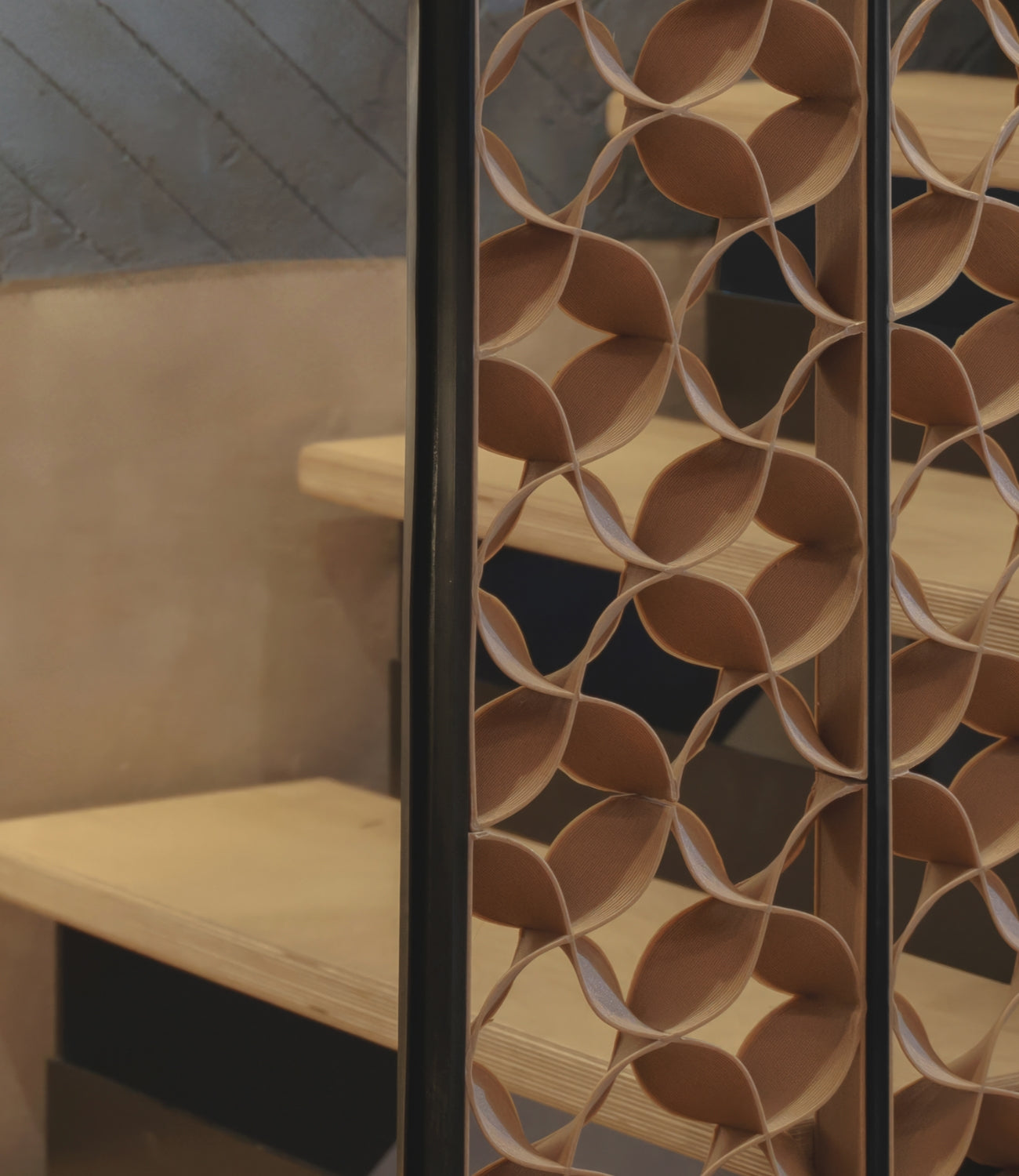
From waste stream to material system
Materials developed for the way you manufacture
We test and compound industrial by-products, manufacturing waste and bio-based feedstocks into materials designed for digital manufacturing.
Working from source material through formulation, testing and print optimisation, Fab.Pub helps businesses investigate whether overlooked material streams can become useful products, components and environments.
Waste is a design input
Wood dust, textile off-cuts, coffee waste, agricultural by-products, mineral fillers and suitable production polymers can all offer different aesthetic and technical possibilities. The first step is not to force a material into an application, but to understand what it is good at.
We develop around the source, consistency and performance of the feedstock, then design products that make those characteristics useful and visible.
Our material library
Existing Fab.Pub blends demonstrate how renewable feedstocks, reclaimed materials and performance additives can become distinct printable material families.
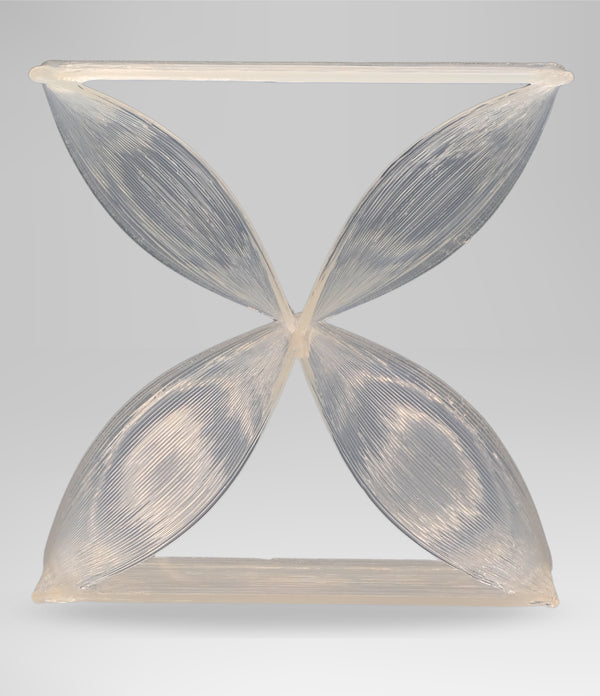
Base Material: Clear PLA
A base material for further development.
Fab.Pure
Clear PLA: renewable, stable and versatile for prototypes and finished products.
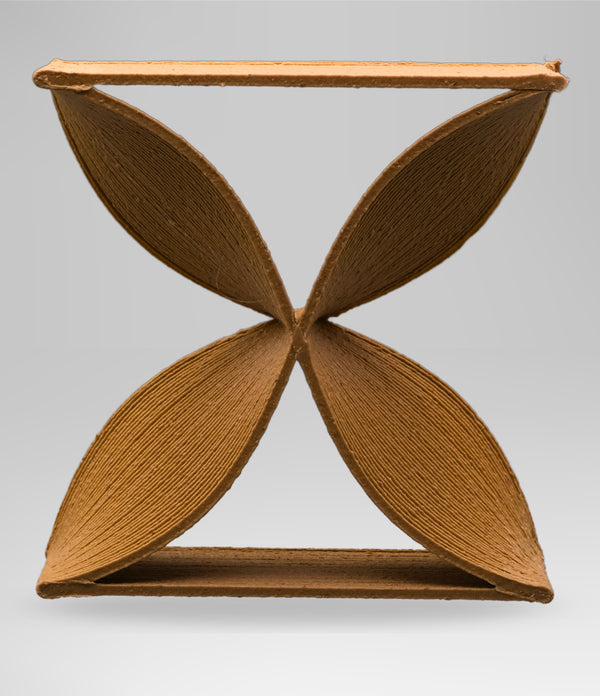
Wood + bioplastic
For furniture and interior elements.
Fab.Grain
Wood fibre and bioplastic blend with a natural texture and warm finish.
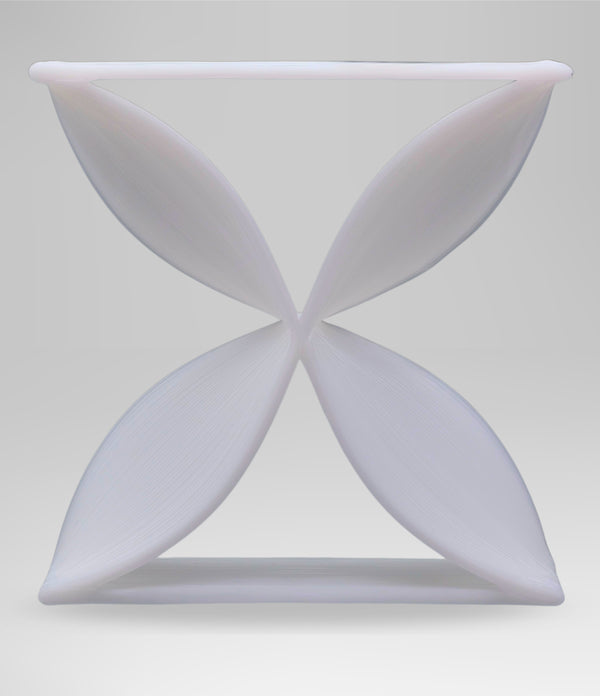
Performance material
Developed for demanding architectural applications.
Fab.Shield
Flame-retardant blend developed for architectural performance requirements.
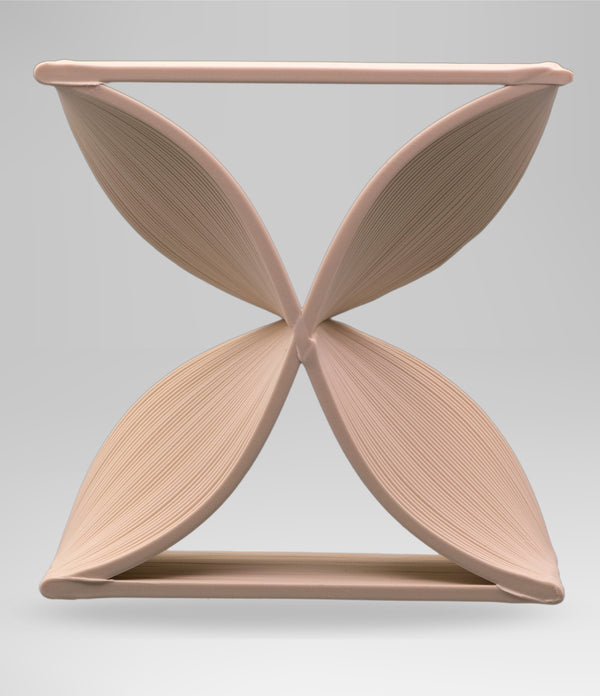
Chalk + bioplastic
Mineral-filled material development.
Fab.Stone
Chalk-filled bioplastic with a smooth matte finish and mineral character.
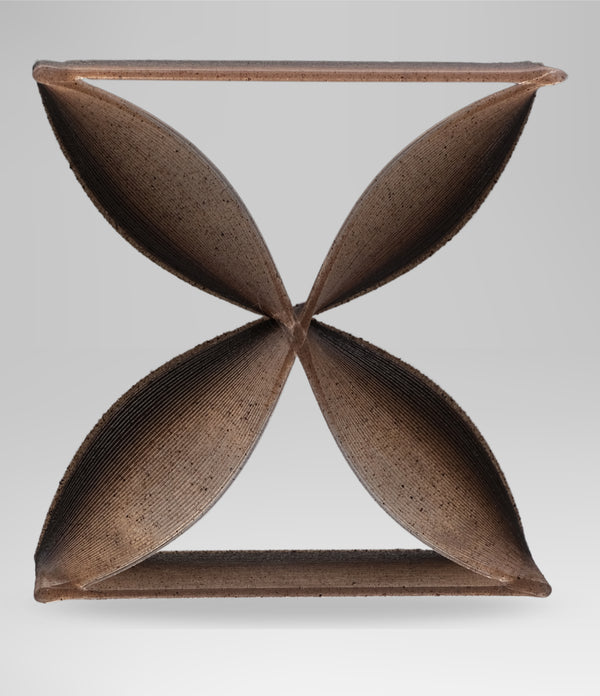
Bamboo + bioplastic
Bio-based decorative applications.
Fab.Zen
Bamboo-filled bioplastic with a light, organic appearance.

Mineral reinforcement
Under development.
Fab.Lava
Mineral-reinforced material under development for strength and texture.
Coffee waste + bioplastic
A model for turning a waste stream into a product material.
Fab.Roast
Reclaimed coffee waste used to create colour, grain and material identity.
Research becomes useful when it reaches production
Our material work combines practical fabrication with research into bio-based materials, recycled polymers and waste streams. Through collaboration with researchers and industry, we test how new formulations behave in real manufacturing conditions and how they can move from experiment to repeatable application.
Could your waste become a material?
Send us the material source, approximate volume and the product or application you have in mind. We can help define the testing pathway and whether there is a credible route to manufacture.